
2026 U.S.–Israel Strikes on Iran: Legal Debates, Alliance Impacts, and Long-Term Geopolitical Consequences

1. Scope and Immediate Context
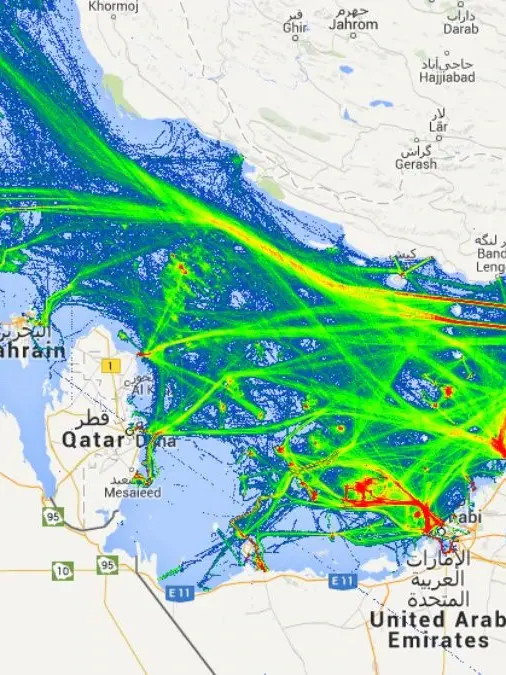
On February 28, 2026, the United States and Israel launched coordinated strikes on Iran, with U.S. reporting framing the opening phase as a planned operation and providing an initial timeline of execution (Reuters 2026a, para. 1–4). In the days that followed, Iran retaliated across the region, including strikes against states hosting U.S. forces and critical regional infrastructure, and escalated threats around maritime chokepoints, especially the Strait of Hormuz (Reuters 2026b, para. 1–4; AP 2026a, para. 1–6).
This article examines the most likely short-term and long-term repercussions of the attack, analyzes the legal and constitutional debates surrounding its authorization, assesses implications for U.S. alliances in the Gulf Cooperation Council, the broader Middle East, Europe, and Asia, and evaluates the concept of regime change within historical and geopolitical context.
2. Short-Term Repercussions
2.1 Regional Military Escalation and Retaliation
The most immediate effect has been escalation pressure across multiple fronts. Iran’s retaliatory actions have included attacks in or against Gulf states hosting U.S. assets and strikes tied to the broader Israel–Iran confrontation (Reuters 2026b, para. 2–4; Reuters 2026c, para. 1–3).
Security assessments have also warned of plausible retaliatory threats including targeted violence and low-level cyber activity by Iran-linked actors, even if a large-scale U.S. homeland attack is assessed as less likely (Reuters 2026d, para. 1–4).
Even when leaders seek to limit a campaign, retaliation dynamics tend to expand the target set and increase the risk of miscalculation across the GCC, Iraq and Syria, Lebanon, and maritime lanes (CSIS 2026, para. 1–6).
2.2 Maritime and Energy Disruption
Iran’s posture regarding potential closure or disruption of the Strait of Hormuz introduced immediate volatility into global energy and trade flows (Reuters 2026b, para. 1–4). Analysis underscores that disruption fears alone can trigger price spikes and broader economic consequences, particularly for import-dependent economies in Asia and parts of Europe (Guardian 2026a, para. 1–6; Janes 2026, para. 1–6).
Short-term consequences include increased shipping insurance costs, energy market instability, and heightened diplomatic pressure for rapid de-escalation (Guardian 2026a, para. 3–8).
2.3 Diplomatic Reactions
Post-strike diplomacy emphasized restraint and de-escalation from multiple actors. European leadership called for restraint, diplomacy, and protection of nuclear safety norms (European Council 2026a, para. 1–4). Turkey condemned the strikes as violations of international law (Reuters 2026e, para. 1–4). China emphasized sovereignty principles and opposition to escalation (PRC MFA 2026a, para. 1–5). Japan adopted a crisis-management posture focused on coordination and information gathering (Japan MOFA 2026, para. 1–4).
The variation in tone suggests that even close partners may prioritize de-escalation and strategic flexibility over explicit endorsement.
3. Long-Term Repercussions
3.1 Deterrence and Regional Militarization
Whether the strikes restore or erode deterrence will depend on Iran’s residual capacity and the durability of retaliatory pressure. If Iran retains meaningful strike capability, the precedent may normalize expanded targeting across regional infrastructure (CSIS 2026, para. 4–10). If strategic programs are materially degraded, supporters may argue that long-term escalation risk is reduced (Reuters 2026f, para. 1–4).
Regardless of interpretation, longer-term patterns may include expanded missile defense integration, hardened infrastructure, and sustained cyber and proxy contestation (Janes 2026, para. 1–8; Reuters 2026d, para. 1–4).
3.2 Alliance Architecture and Base Politics
The question goes to the heart of basing politics: host states gain deterrence and rapid-response capacity but also bear the retaliatory risk. Reporting indicates that Iran has targeted Gulf states hosting U.S. assets, reinforcing that exposure (Reuters 2026b, para. 2–4; Stars and Stripes 2026, para. 1–6).
Possible trajectories include:
Reinforced U.S.–GCC security integration, including missile defense cooperation (Atlantic Council 2026, para. 1–8).
Strategic hedging, with some states diversifying partnerships or limiting operational use of bases (Al Jazeera 2026a, para. 1–8).
Increased polarization if attacks on Gulf territory push governments toward more explicit alignment against Iran (Guardian 2026b, para. 1–10).
3.3 Europe and Asia
European institutions have emphasized diplomacy and restraint while managing evacuations, base security, and economic exposure (European Council 2026a, para. 1–4; AP 2026b, para. 1–8).
Asian states face disproportionate vulnerability to energy disruptions. Japan’s statement reflects a stabilization-oriented approach (Japan MOFA 2026, para. 1–4). South Korea has focused on energy security measures (Korea Herald 2026, para. 1–6). China has framed its response around sovereignty and opposition to unilateral escalation (PRC MFA 2026a, para. 1–5).
Long-term alliance dynamics may involve greater demands for consultation, predictability, and burden-sharing clarity.
4. Legal and Constitutional Debates
4.1 International Law
Supporters of the strikes frame them as collective or anticipatory self-defense aimed at preventing severe threats, including nuclear escalation (Reuters 2026f, para. 1–4). Critics argue that absent Security Council authorization, the strikes may violate the UN Charter prohibition on the use of force if imminence and necessity standards were not satisfied (AP 2026c, para. 1–10; Just Security 2026a, para. 1–8).
The dispute turns on factual determinations of threat immediacy and proportionality.
4.2 U.S. Domestic Law and Congressional Authorization
The constitutional debate centers on whether the president’s Article II authority suffices for this level of military action or whether congressional authorization was required. Members of Congress have called for War Powers review (PBS 2026, para. 1–8; CBS 2026, para. 1–6). Some legal analysts argue the strikes were unconstitutional absent congressional approval (Brennan Center 2026, para. 1–8), while others reference historical executive practice in limited uses of force (Just Security 2026c, para. 1–10).
The domestic-law issue reflects enduring tensions between executive flexibility and legislative war powers.
5. Regime Change: Strategic and Historical Context
5.1 Policy Objective Versus Operational Drift
Regime change may emerge as a declared objective, an operational drift, or an unintended consequence of sustained conflict. Legal scholars caution that normalizing force for leadership removal risks undermining international-law constraints and may generate long-term instability (AP 2026c, para. 6–12; Just Security 2026a, para. 1–8).
5.2 Historical Analogies
Historical precedents frequently referenced in scholarly analysis include Iraq (2003), Libya (2011), Afghanistan (2001–2021), and Iran (1953). These cases illustrate recurring challenges: governance vacuums, insurgency dynamics, prolonged external involvement, and enduring legitimacy costs.
The relevance of these analogies lies in identifying structural risks associated with externally influenced regime transitions rather than assuming direct equivalence.
5.3 Duration of U.S. Involvement
Analysts emphasize scenario dependence. Sustained threats to maritime routes, partner territory, and regional infrastructure could require extended U.S. military presence focused on deterrence and force protection (Reuters 2026b, para. 1–4; Janes 2026, para. 1–8). If objectives expand beyond discrete military goals toward broader political transformation, involvement may become prolonged and politically complex (CSIS 2026, para. 6–12; Reuters 2026g, para. 1–5).
6. Key Structural Variables Influencing Outcomes
Several structural variables will likely determine the trajectory of the conflict and its geopolitical consequences:

The stability of maritime routes through the Strait of Hormuz (Reuters 2026b, para. 1–4).
The scope and persistence of Iranian retaliation (Reuters 2026b, para. 2–4).
Alliance cohesion and consultation mechanisms among the United States, GCC states, Europe, and Asian partners (European Council 2026a, para. 1–4; Japan MOFA 2026, para. 1–4).
Domestic political sustainability within the United States regarding authorization and war powers (PBS 2026, para. 1–8; Brennan Center 2026, para. 1–8).
The extent to which objectives remain limited or expand toward regime transformation (AP 2026c, para. 6–12).
References
Al Jazeera. 2026a. “After Iran’s Salvo Hit Their Skylines, Will Gulf States Enter the War?” March 2, 2026.
Al Jazeera. 2026b. “World Reacts to US, Israel Attack on Iran, Tehran Retaliation.” February 28, 2026.
AP (Associated Press). 2026a. “World Hurries to Respond to Rapidly Changing War Around Iran.” March 2, 2026.
AP (Associated Press). 2026b. “Europe Defends Military Bases and Struggles to Evacuate Citizens as It Is Drawn into the War on Iran.” March 2, 2026.
AP (Associated Press). 2026c. “US and Israeli Attacks on Iran Put Further Strain on International Law.” March 2, 2026.
Atlantic Council. 2026. “The Gulf That Emerges from the Iran War Will Be Very Different.” March 2, 2026.
Bloomberg Opinion. 2026. Feldman, Noah. “Decades of Presidents Ignoring the War Powers Act Led Us Here.” March 2, 2026.
Brennan Center for Justice. 2026. Ebright, Katherine Yon. “Trump’s Iran Strikes Are Unconstitutional.” March 2, 2026.
CBS News. 2026. Hubbard, Kaia. “Lawmakers Stress New Urgency Around War Powers Votes After Iran Strikes.” March 1, 2026.
CSIS (Center for Strategic and International Studies). 2026. “The Regional Reverberations of the U.S. and Israeli Strikes on Iran.” March 1, 2026.
European Council. 2026a. “Joint Statement by President Costa and President von der Leyen on Developments in Iran.” February 28, 2026.
Guardian. 2026a. “What Disrupting the Strait of Hormuz Could Mean for Global Cost-of-Living Pressures.” March 2, 2026.
Guardian. 2026b. “Gulf States on Verge of Acting Against Iran Over ‘Reckless’ Strikes Across Region.” March 2, 2026.
Japan Ministry of Foreign Affairs. 2026. “Situation in Iran (Statement by Foreign Minister).” February 28, 2026.
Janes. 2026. “Iran Conflict 2026: Disruption to Strait of Hormuz Increases Energy and Food Production Risks.” March 2, 2026.
Just Security. 2026a. Haque, Adil Ahmad. “U.S. and Israel Aggression, Iran Misdirected Self-Defense, and Legal Options for Third States.” March 2, 2026.
Just Security. 2026b. “Top Questions the Trump Administration Needs to Answer About the War with Iran.” March 2, 2026.
Just Security. 2026c. “Military Action Against Iran and U.S. Domestic Law.” February 28, 2026.
Korea Herald. 2026. “Govt. to Secure Oil Supplies from Outside Middle East amid Strait of Hormuz Risks.” March 2, 2026.
PBS NewsHour. 2026. “Members of Congress Demand Swift Vote on War Powers Resolution after Trump Orders Iran Strike Without Congressional Approval.” February 29, 2026.
PRC Ministry of Foreign Affairs. 2026a. “Foreign Ministry Spokesperson’s Regular Press Conference.” February 28, 2026.
PRC Ministry of Foreign Affairs. 2026b. “Foreign Ministry Spokesperson’s Regular Press Conference.” March 2, 2026.
Reuters. 2026a. “Top U.S. General Outlines Initial Timeline of U.S. Military Operation in Iran.” March 2, 2026.
Reuters. 2026b. “Iran Vows to Attack Any Ship Trying to Pass Through Strait of Hormuz.” March 2, 2026.
Reuters. 2026c. “Global Reaction to Israeli, U.S. Attacks on Iran.” February 28, 2026.
Reuters. 2026d. “Intelligence Assessment Warns of Iranian Attacks on U.S.” March 2, 2026.
Reuters. 2026e. “Turkey’s Erdogan Says Attacks on Iran Are Clear Violation of International Law.” March 2, 2026.
Reuters. 2026f. “Israel, U.S. Will Ensure Iran Does Not Have Nuclear Capabilities, Israeli U.N. Envoy Says.” March 2, 2026.
Reuters. 2026g. “Only Lasting Solution in Iran Is a Diplomatic One, von der Leyen Says.” March 2, 2026.
Stars and Stripes. 2026. “Counterstrikes Continue at U.S. Navy Base in Bahrain.” February 28, 2026.



Comments